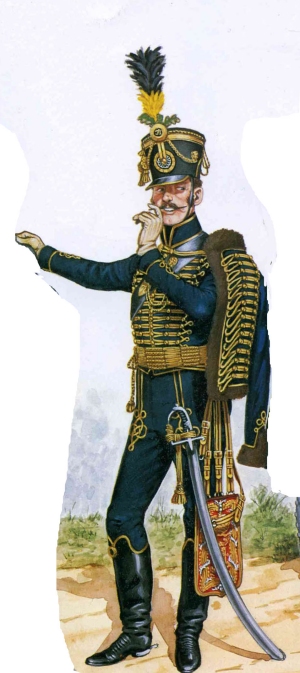
austrian hussars
The Hungarians formed light cavalry known as
hussars. The name 'Hussar' derives originally from Latin cursarius,
meaning raider, and originally referred to marauders in the northern
Balkans. However, it was adopted by the Magyar people of Hungary as the
name for irregular light cavalry. The oldest regular regiment [9th
Nadasdy] was formed in 1688 and by 1756, with the formation of the
Kaiser Hussars and regularisation of a Jagzyier-Kumanier unit in that
year as the Seven Years war (1756-1763) began, there were 12 regiments.
The wild irregulars of the early 1700s were steadily regularized into
army units, while maintaining their reputation for swift movement and
unexpected appearances, they became more effective on the battlefield.
The Hungarian hussars had reputation of being excellent horsemen known
for quality of their mounts. They had been familiar figures since XVII
Century and had been imitated by other armies. Although the Hungarian
hussars were not big guys (their height between 165 and 173.5 cm) they
were known for dash in combat. They became so known in Europe that their
outfit became popular across Europe, including France, Russia, Britain,
Poland and Spain.
During the Napoleonic Wars there were 12 Hussar Regiments, recruited in
Hungary and Slovakia (Regiments 8th and 10th), and dressed in the
typical Hussar fashion. The distinctive colors and facings were:
| Regiment/Area of recruiment | Dolman/Pelisse | Breeches | Shako | Buttons |
|
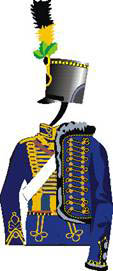
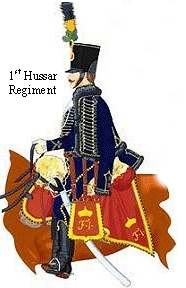
1. Kaiser Franz /Hungary |
dark blue | dark blue | black | yellow |
| 2. Erherzog Joseph /Transilvania |
light blue | light blue | red | yellow |
|
3. Ferdinand d'Este /Hungary |
dark blue | dark blue | grey | yellow |
| 4. Hessen-Homburg /Hungary |
light green | light green | poppy red | white |
|
5. Ott (then Radetzky) /Hungary |
dark green | crimson | red | white |
| 6. Blankenstein /Hungary |
light blue | light blue | black | yellow |
|
7. Liechtenstein /Hungary |
light blue | light blue | green | white |
| 8. Kienmayer /Slovakia |
light green | light green | poppy red | yellow |
|
9. Frimont /Hungary |
dark green | crimson | black | yellow |
| 10. Stipsich /Slovakia |
light blue | light blue | green | yellow |
|
11. Szekler /Transilvania |
dark blue | dark blue | black | white |
| 12. Palatinat /Hungary |
grey | light blue | black | white |
Several Regiments fought in the Campaign of Leipzig: 1st, 3rd, 4th, 6th,
7th, 8th and 12th, included in the Austrian Army of Bohemia. Two of them
belonged to the Bubna's 2nd Light Division, and fought in
Sellerhausen: the Kaiser Franz No.1
and the Liechtenstein No.7 Regiments.
UNIFORMS AND MINIATURES
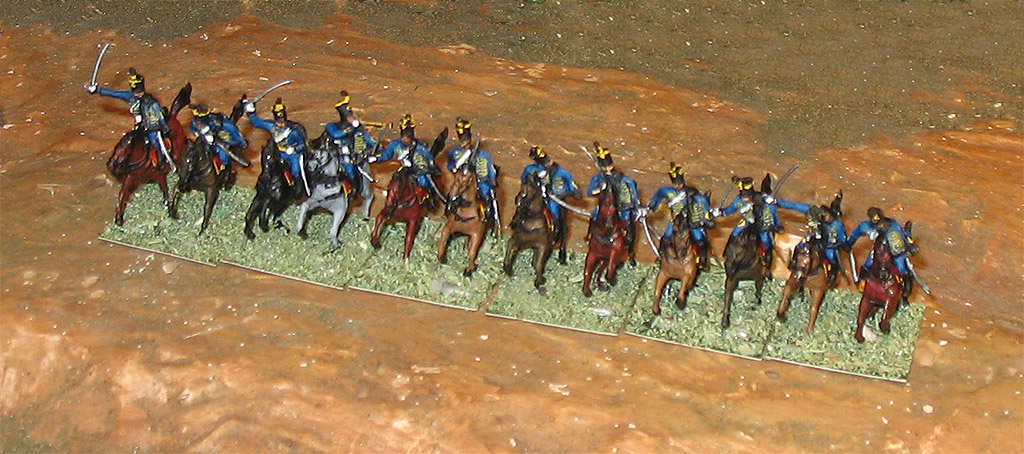
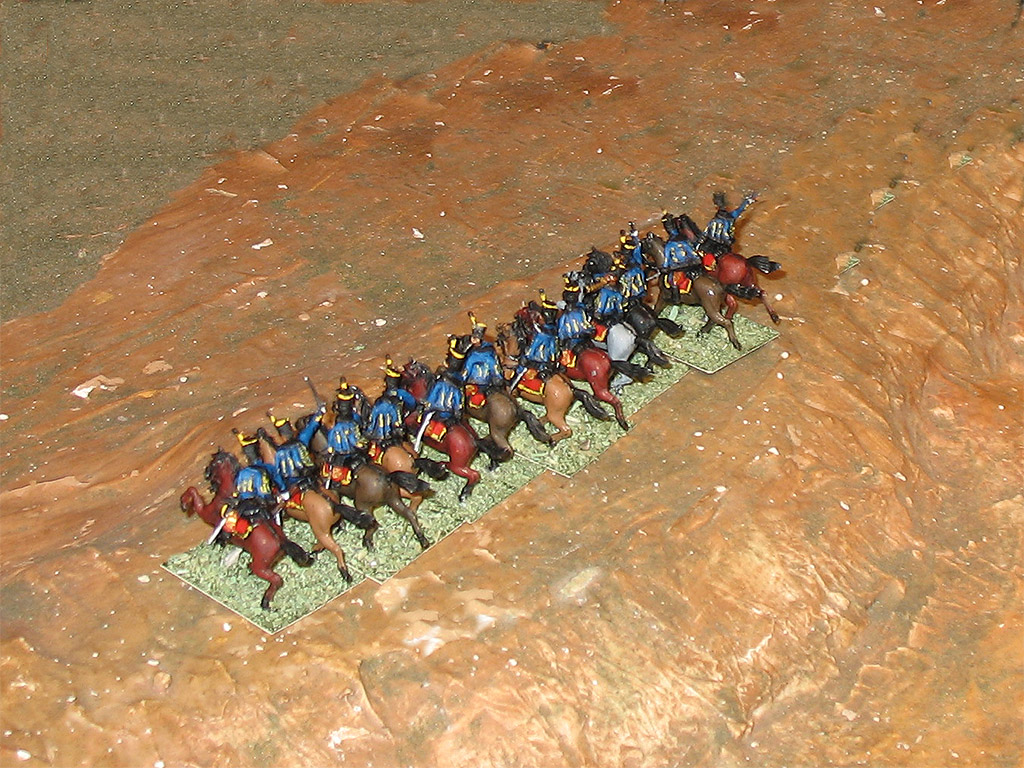
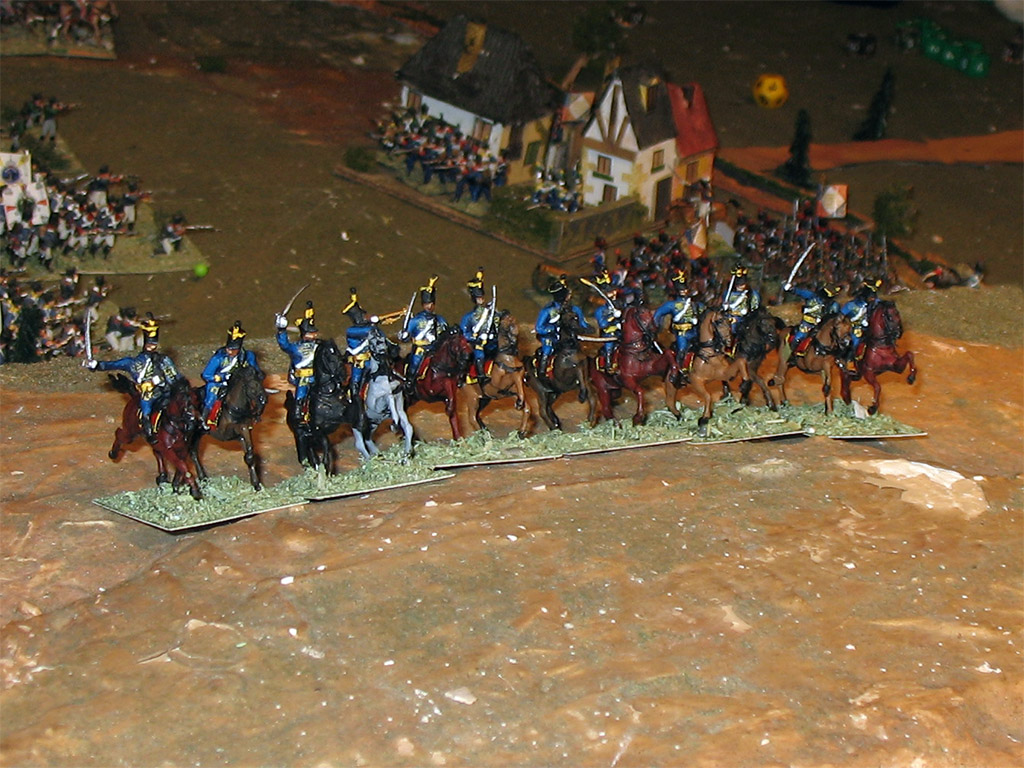
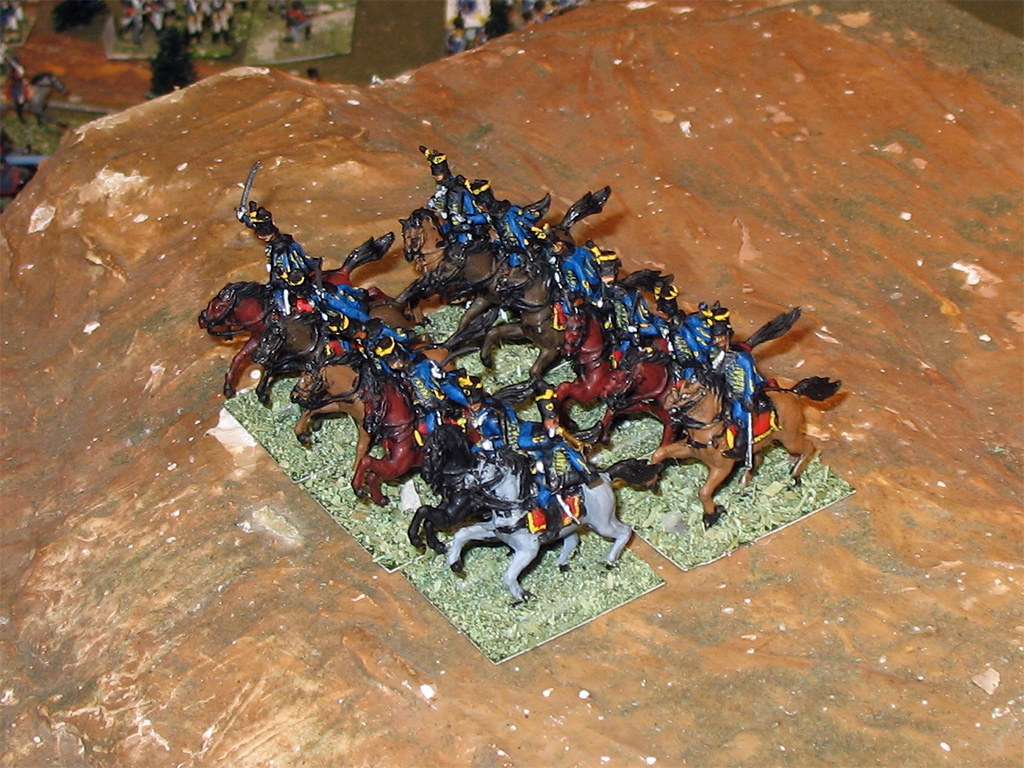
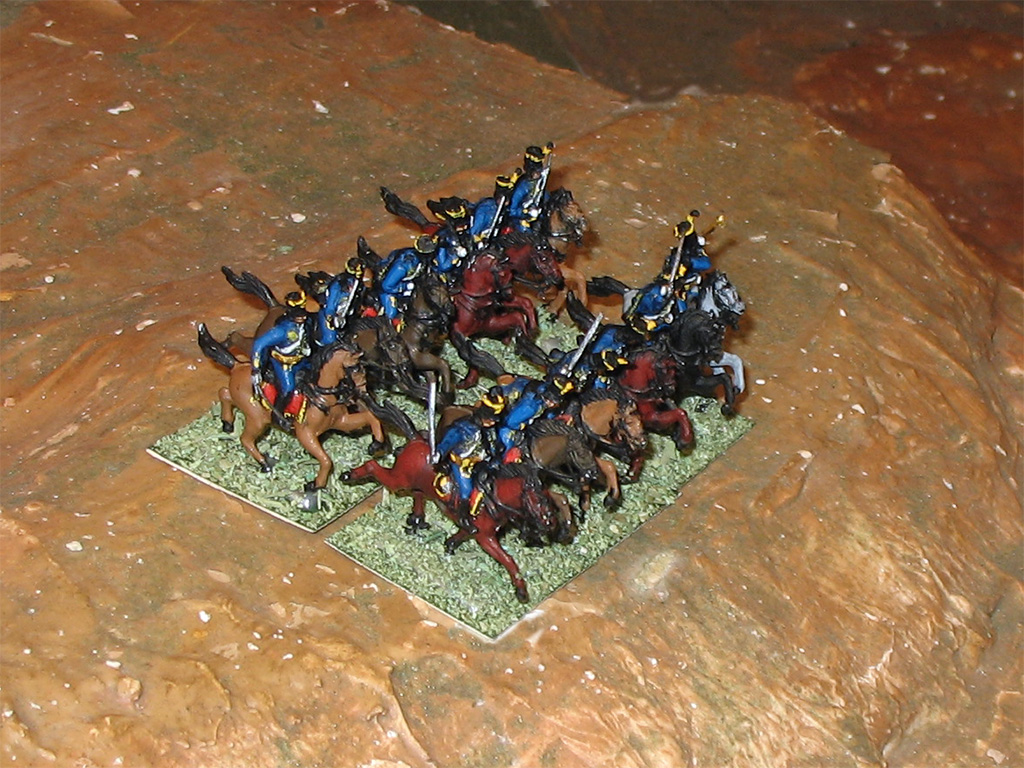
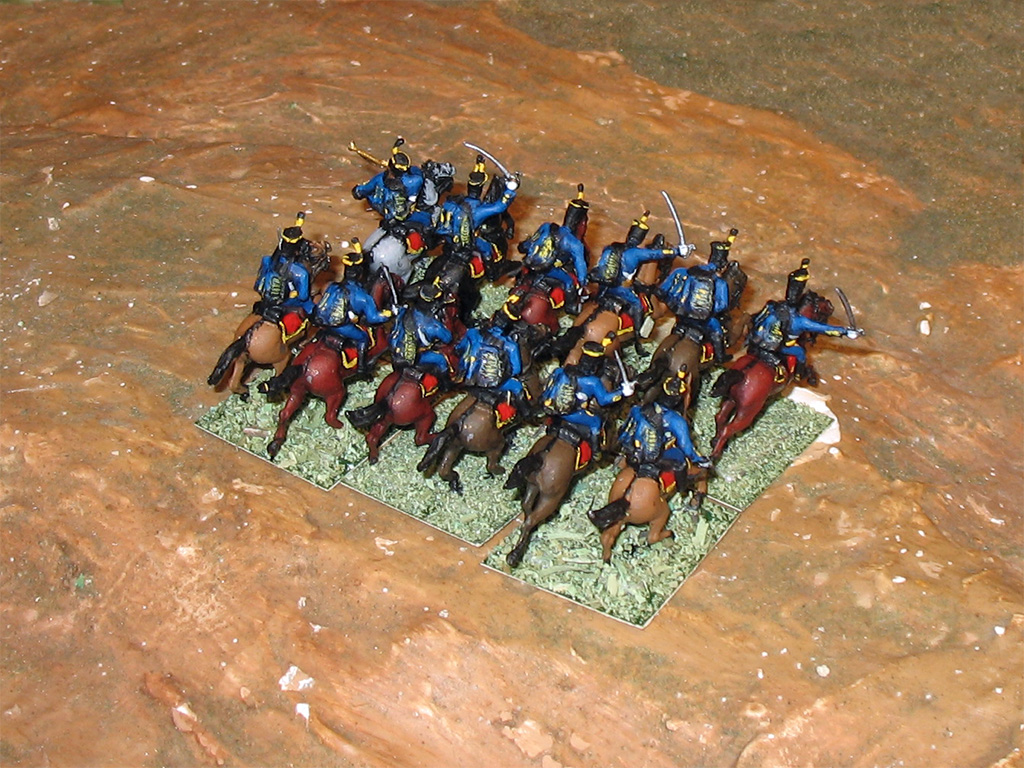
In my collection of figures there is an Austrian Hussar unit:
Stipsicz No. 10 Regiment, with the same facings than No.7 exception made
from lace, so these units are exchangeable with a small historical
license!. However, the Kaiser No.1 Regiment is not amongst my units, so
I will need to paint that unit.
There are not Napoleonic Austrian plastic sets in the market, so a
conversion is mandatory. By searching into my pile of old acquisitions,
I found a box of
Airfix 01743 Waterloo British Cavalry (Hussars) wearing their
pelisse hanging, so they are a better choosing than other hussar
alternatives such as the
Revell 02586 French Hussars, wearing the pelisse over the dolman.
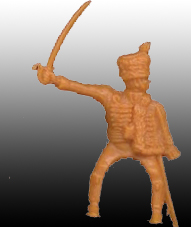
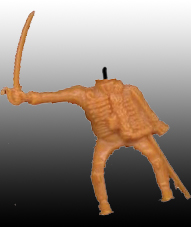
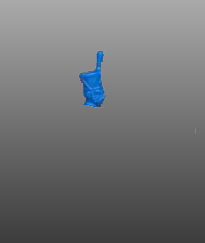
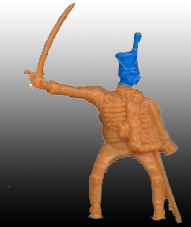
However, the Airfix Hussars have busbies and not shakos, so I need also
to swap heads with another figure. I'll use the same set than for the
Gardes d'Honneur, i.e.
HaT 8042 French Light Infantry, and the same technique than used in
previous occasions:
 |
 |
 |
 |
The Austrian Hussar Regiments were large units so, in Lasalle
terms, they are 'big units' comprising six bases.
| UNIT | FIGURES | COLOR SCHEME | PICTURES |
| AUSTRIAN KAISER FRANZ No. 1 REGIMENT | AIRFIX 01743 Waterloo British Cavalry (Hussars) with heads taken from HÄT 8042 French Light Infantry |
|
 |
 |
|||
 |
|||
 |
|||
 |
|||
 |
Links of interest:
Austrian Cavalry of the Napoleonic Wars
Austrian Army of the Napoleonic Wars (2) Cavalry. Philip
Haythornthwaite and Bryan Fosten. Men-at-Arms 181, 1986
| The full movie: Austrian Hussars |